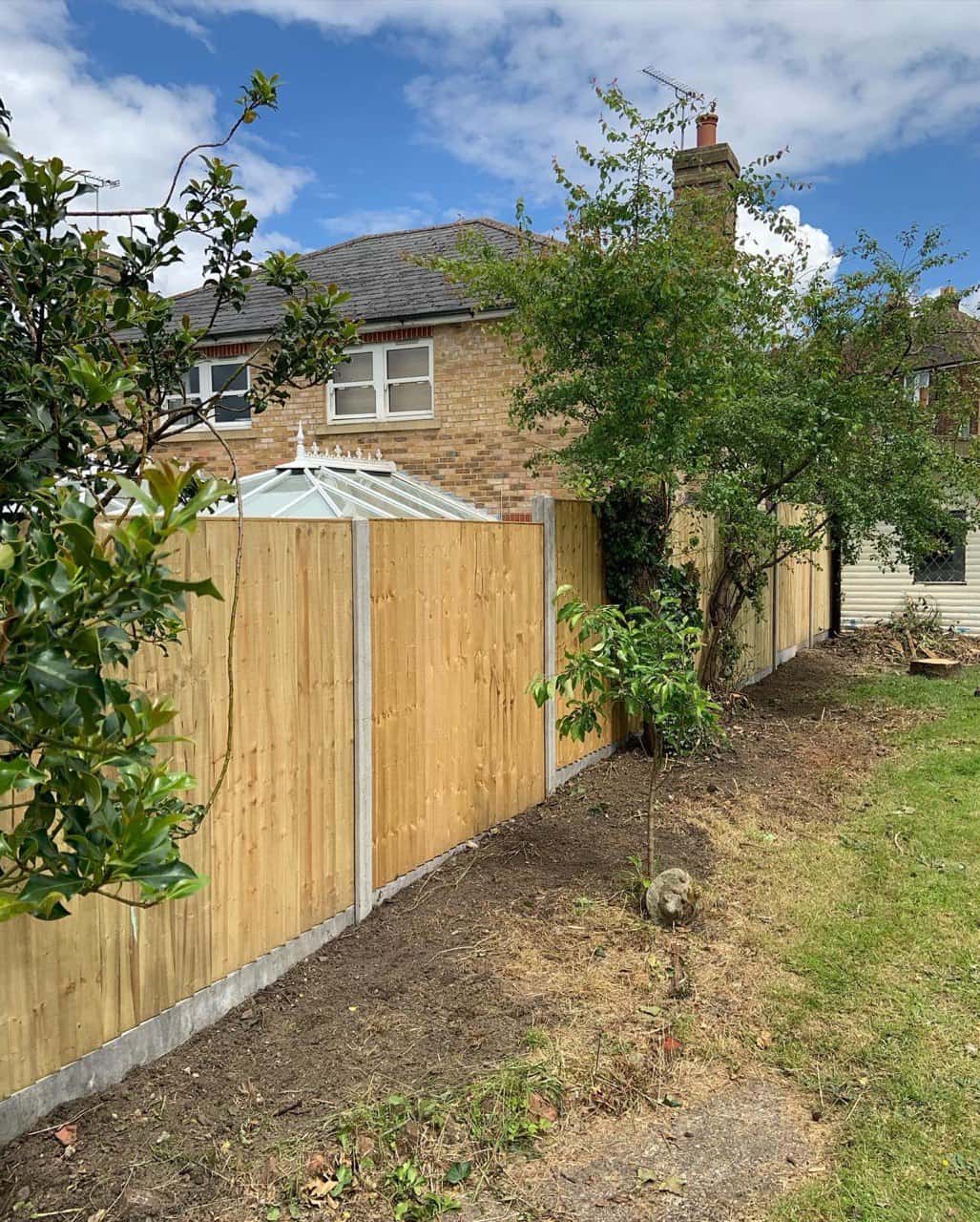
Why Your Fence Keeps Leaning and How to Fix It
A leaning fence is a common problem for many homeowners, particularly after periods of strong wind, heavy rain, or long-term wear. While a slight tilt may not seem urgent at first, leaning fencing often indicates underlying structural issues that can worsen over time if left unresolved. For homeowners in Caterham, Surrey, understanding why fences begin to lean can help prevent more serious damage and maintain both the safety and appearance of the property.
At Fast Fix Fencing Caterham, we provide professional fencing repair and replacement services designed to restore strength, stability, and long-term reliability.
Weak or Damaged Fence Posts
One of the most common causes of a leaning fence is weakened fence posts. Posts provide the structural support for the entire fencing system, so when they become unstable, the fence itself begins to shift.
Posts may weaken due to:
- Rotting timber below ground level
- Loose foundations
- Ground movement over time
- Prolonged moisture exposure
Once the support posts lose stability, the fence panels can no longer remain upright properly.
Poor Installation
Incorrect installation is another major reason fences begin leaning prematurely. If fence posts were not set deep enough into the ground or secured properly during installation, the structure may gradually shift under pressure.
Common installation problems include:
- Insufficient post depth
- Weak concrete support
- Incorrect spacing between posts
- Poor alignment during installation
For fencing in Caterham, Surrey, proper installation is especially important due to changing weather conditions and seasonal ground movement.
Storm and Wind Damage
Strong winds place significant strain on fencing panels and support posts. Repeated exposure to severe weather can gradually loosen the structure, particularly if the fence is already ageing or weakened.
Signs of wind-related damage include:
- Leaning sections after storms
- Loose or rattling panels
- Cracked posts or rails
- Visible movement during windy conditions
Prompt repairs help prevent further structural failure.
Water Damage and Rot
Timber fencing is constantly exposed to moisture throughout the year. Over time, water penetration can lead to rot, especially around the base of wooden posts where moisture collects within the ground.
Rotten posts lose their strength and may begin leaning or collapsing entirely.
Regular inspections help identify early signs of decay before major structural movement occurs.
Soil Movement and Drainage Problems
Ground conditions play a major role in fence stability. Poor drainage or soft soil can weaken the area surrounding fence posts, allowing them to shift over time.
This is particularly common where:
- Water pools around the fence line
- Soil becomes saturated after heavy rain
- Ground movement affects the foundations
Proper drainage and secure post installation help reduce these risks.
Excessive Weight on Fence Panels
Large or heavy fence panels can place additional strain on posts, particularly if the fencing was not designed to support the load properly.
Over time, this pressure may cause:
- Posts to lean outward
- Panels to sag or pull away
- Increased movement across the fence line
Professional fencing design ensures the structure remains balanced and properly supported.
How Leaning Fences Are Fixed
The correct repair solution depends on the cause and severity of the problem.
Replacing Damaged Posts
If the posts are rotten or unstable, replacing them is often the most effective solution for restoring strength to the fence.
Reinforcing Existing Structures
In some cases, fencing can be stabilised by reinforcing weakened sections and improving the support around the posts.
Replacing Severely Damaged Fencing
If multiple sections are deteriorated or structurally weak, full fence replacement may provide a more reliable long-term result.
At Fast Fix Fencing Caterham, we assess each fence carefully to determine the most suitable and durable repair approach.
Preventing Future Fence Movement
Routine maintenance can help reduce the likelihood of fences leaning again in the future.
Important preventative steps include:
- Regularly inspecting posts and fixings
- Addressing small movement early
- Keeping drainage areas clear
- Replacing damaged panels promptly
- Ensuring professional installation for new fencing
Preventative care helps maintain the stability and appearance of the fencing for longer.
Why Professional Fencing Work Matters
Leaning fences often involve structural issues that require proper assessment and repair. Temporary fixes may not address the root cause of the movement, leading to ongoing problems.
At Fast Fix Fencing Caterham, we provide:
- Professional fence inspections
- Fence post repairs and replacements
- Complete fencing installations
- Durable solutions tailored to each property
Our experienced team delivers fencing work designed to withstand long-term use and changing weather conditions across Caterham, Surrey.
Conclusion
A leaning fence is usually caused by weakened posts, poor installation, weather damage, moisture exposure, or unstable ground conditions. While the problem may begin gradually, ignoring it can eventually lead to more extensive structural failure.
For homeowners in Caterham, Surrey, Fast Fix Fencing Caterham provides expert fencing repairs and installations designed to restore stability, improve appearance, and deliver long-lasting performance. If your fence is beginning to lean or show signs of movement, arranging a professional inspection early can help prevent more serious damage and maintain the security and appearance of your outdoor space.
Call us on: 01883 771 099
Click here to find out more about Fast Fix Fencing Caterham
Click here to complete our contact form and see how we can help with your fencing needs.